




Crows Remember Faces: What That Means for Your City Photography
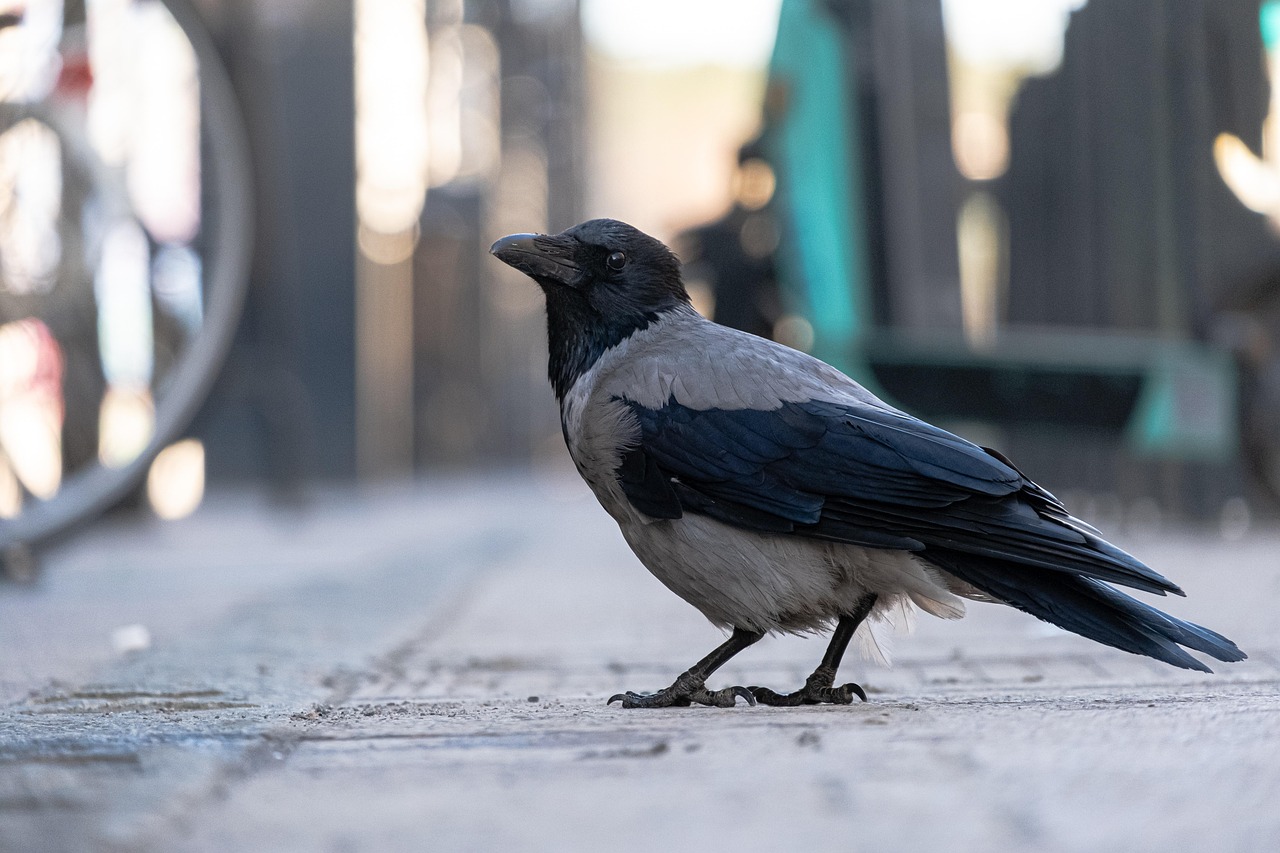
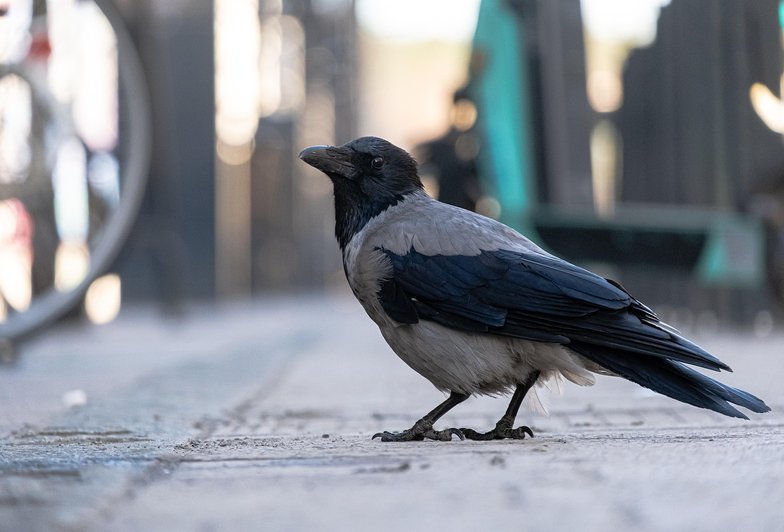
If you photograph birds in a city long enough, you'll notice that some species treat you like furniture and others treat you like a threat. Crows and their relatives sit firmly in the second category, but with a twist. They don't just react to humans in general. They react to specific humans, and they remember them. That fact has real consequences for anyone trying to build a repeatable relationship with urban corvids.
Researchers have documented this for years, and anyone who feeds crows regularly has felt it firsthand. The birds learn your face, your gait, your schedule. They also learn the faces of people who have harassed them, and they can hold onto that information for a long time. This isn't folklore. It's part of why crows are such successful city dwellers.
Approaching Corvids Without Triggering Alarm
The worst thing you can do with crows is approach directly and quickly. To a crow, a straight-line approach at speed reads as pursuit. Instead, move in slow arcs, pause often, and let the bird dictate the distance. If it shifts its weight or opens its beak, you're too close. Back off a step and wait.
Consistency helps more than any single technique. Wear similar clothing, visit at roughly the same times, and keep your movements predictable. Crows are pattern-matchers, and once you become part of the background rhythm of a place, they'll relax. This can take weeks. That's normal. A crow that ignores you is a crow that trusts you enough to go about its business.
Food is a shortcut, but use it carefully. A few unsalted peanuts or a bit of plain cooked egg can build familiarity, but scattering food aggressively or in busy pedestrian areas creates problems. Feed sparingly, feed in the same spot, and never train birds to associate people in general with food. You're building a relationship with individuals, not running a restaurant.
Framing and Returning to the Same Birds
Once a crow tolerates you, your photographic options expand dramatically. You can shoot at eye level instead of from below, which flatters the bird and shows its intelligence. You can wait for behavior instead of grabbing a flight shot and leaving. Caching, tool use, social squabbles, and the way a crow examines an object are all more interesting than another silhouette on a wire.
Return visits are where the real work happens. Keep notes, even rough ones, about where you saw a particular bird and what it was doing. Crows have territories and routines, and the same pair will often be in the same area day after day. Over a season, you can build a genuine portrait series of identifiable individuals, which is far more compelling than a folder of unrelated snapshots.
There's an ethical layer here too. If a crow has learned to trust you, that trust is fragile. Don't bring crowds to a spot you've cultivated, don't let other photographers pressure the bird for a shot, and don't lure it into traffic or onto unsafe perches for a better angle. The relationship is the point, not the image.
Working with corvids teaches patience in a way that few other urban subjects do. They will not be rushed. But if you show up, stay calm, and keep your promises, you'll end up with photographs that feel less like captures and more like introductions.

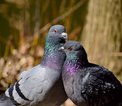
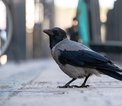

Corvids recognize individual humans, and understanding that changes how you approach, frame, and return to the same birds.
Wet streets, soft light, and active birds make rainy urban days some of the most productive shooting conditions you'll get.
Parking lots, loading zones, and median strips host more bird life than most people ever notice.
A simple, repeatable editing workflow that turns ordinary city bird shots into a coherent body of work.
The city belongs to the birds before it belongs to us, and that hour before rush hour is when the best shots happen.