

Ethics in the City: Photographing Birds Without Causing Harm
Urban wildlife photography has a problem that nature photography in remote places often avoids: the subjects are close, accessible, and habituated to people. That makes them easy to photograph, and it also makes them easy to disturb. A nesting bird on a city balcony, a fox den under a shed, a roost of waxwings in a supermarket car park: all of these can be pushed too far by photographers who mean well.
The good news is that the rules are not complicated. They mostly come down to putting the animal first, and accepting that some photographs are simply not worth taking.
Nests, Dens, and Roosts Are Off Limits
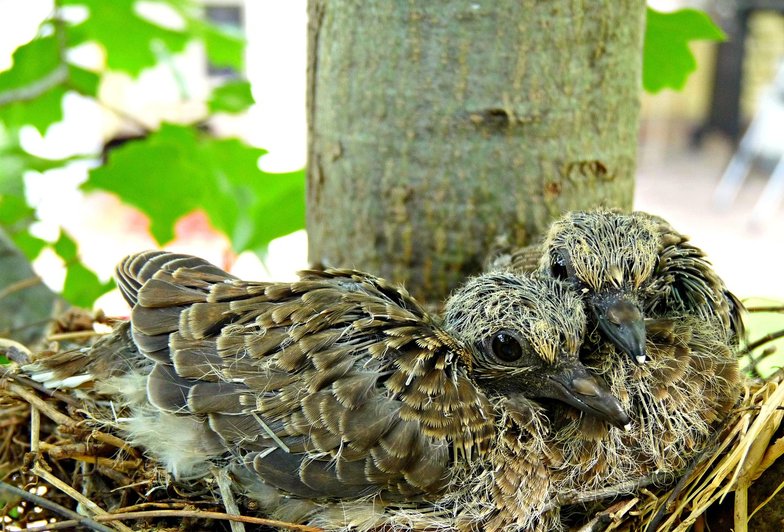
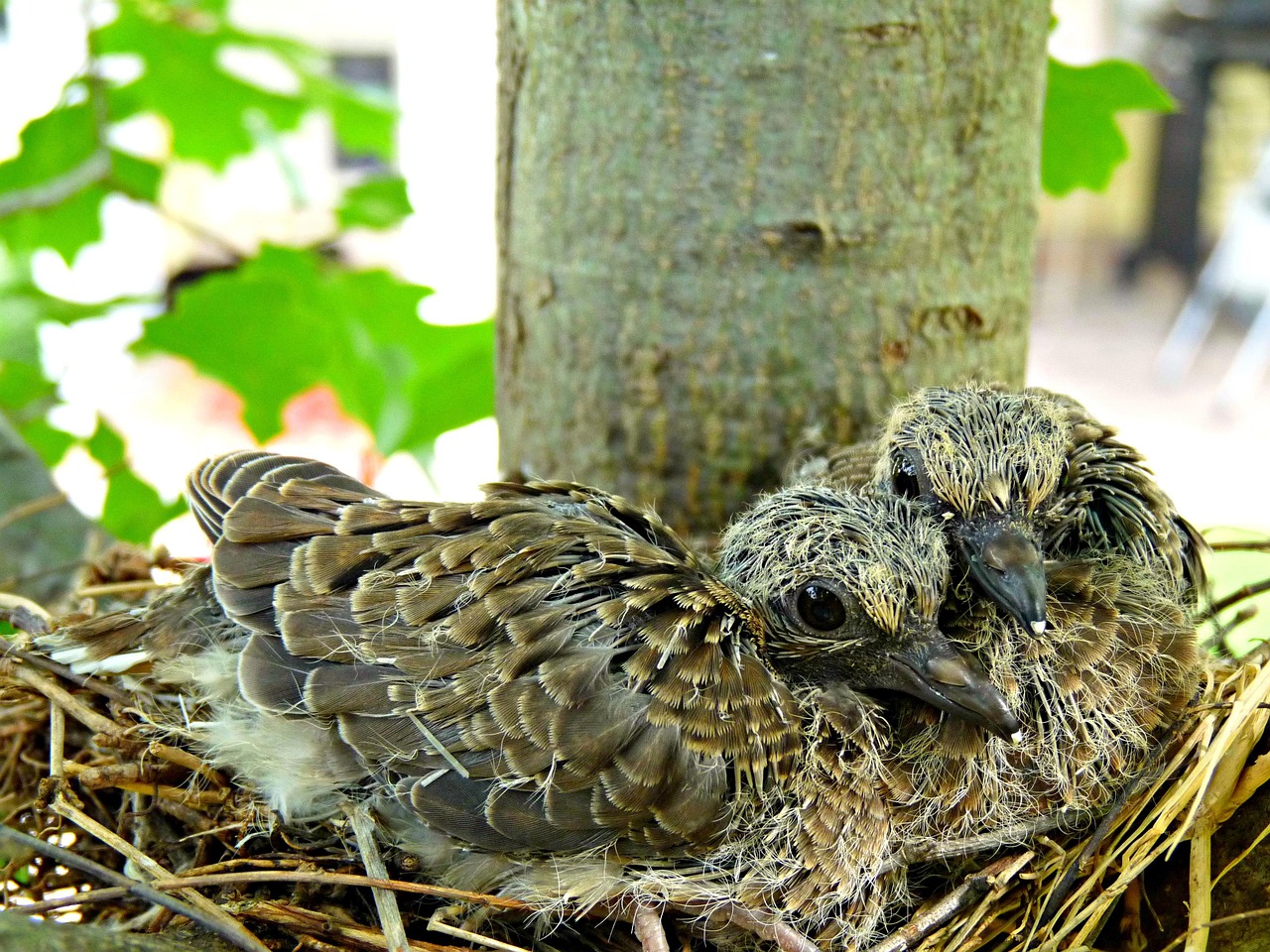
Active nests are the clearest case. Disturbance at a nest can cause parents to abandon eggs or chicks, expose young to predators, or delay feeding at a critical time. If you find a nest, watch it from a distance with binoculars or a long lens, and do not approach closely enough to change the bird's behaviour. If the parent stops returning, or starts alarm-calling, or flies at you, you are too close. Back off immediately.
The same applies to dens and roosts. Urban foxes, hedgehogs, and roosting birds such as pied wagtails and waxwings are vulnerable when they are resting or raising young. Use a long lens, keep your distance, and never use flash on a roost at night. If you are not sure whether your presence is a problem, assume it is and move away.
It is also worth knowing the law where you live. In many countries, it is illegal to disturb the nest of a wild bird, and some species have additional protection. Ignorance is not a defence, and a photograph taken illegally can cause real trouble for you and real harm to the bird.
Baiting, Calls, and the Temptation to Interfere
Baiting is a grey area, but it is worth thinking through carefully. Putting out food in a garden to attract birds is generally fine and often beneficial, provided it is appropriate and consistent. Luring a rare bird into the open with a handful of mealworms purely for a photograph is a different matter. It can change the bird's behaviour, draw it into danger, and concentrate birds in a way that spreads disease.
Audio playback is another contentious tool. Used sparingly by researchers, it can be a legitimate survey method. Used repeatedly by photographers, it can exhaust a territorial bird that keeps responding to a song it cannot find. In an urban setting, where birds are already dealing with noise, traffic, and people, adding playback pressure is rarely justified.
There is also the question of honesty. If you have used bait, playback, or a set-up perch, say so. Audiences are not fooled for long, and a reputation for transparency is worth more than a single impressive image.
None of this means you should photograph birds from a distance only, or that you cannot get close. It means paying attention to the bird's signals, knowing when to stop, and remembering that the animal's welfare is the point, not the picture. The best urban wildlife photographers are the ones the birds barely notice.


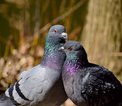
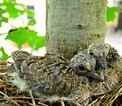

A good photograph is not worth a stressed bird, and urban wildlife photography needs clear rules of its own.
Turn a few square feet of balcony or fire escape into a productive perch for photographing the birds that already live on your block.
Corvids recognize individual humans, and understanding that changes how you approach, frame, and return to the same birds.
Wet streets, soft light, and active birds make rainy urban days some of the most productive shooting conditions you'll get.
Parking lots, loading zones, and median strips host more bird life than most people ever notice.