


Reading the Urban Landscape: How to Find Birds in Unlikely Places
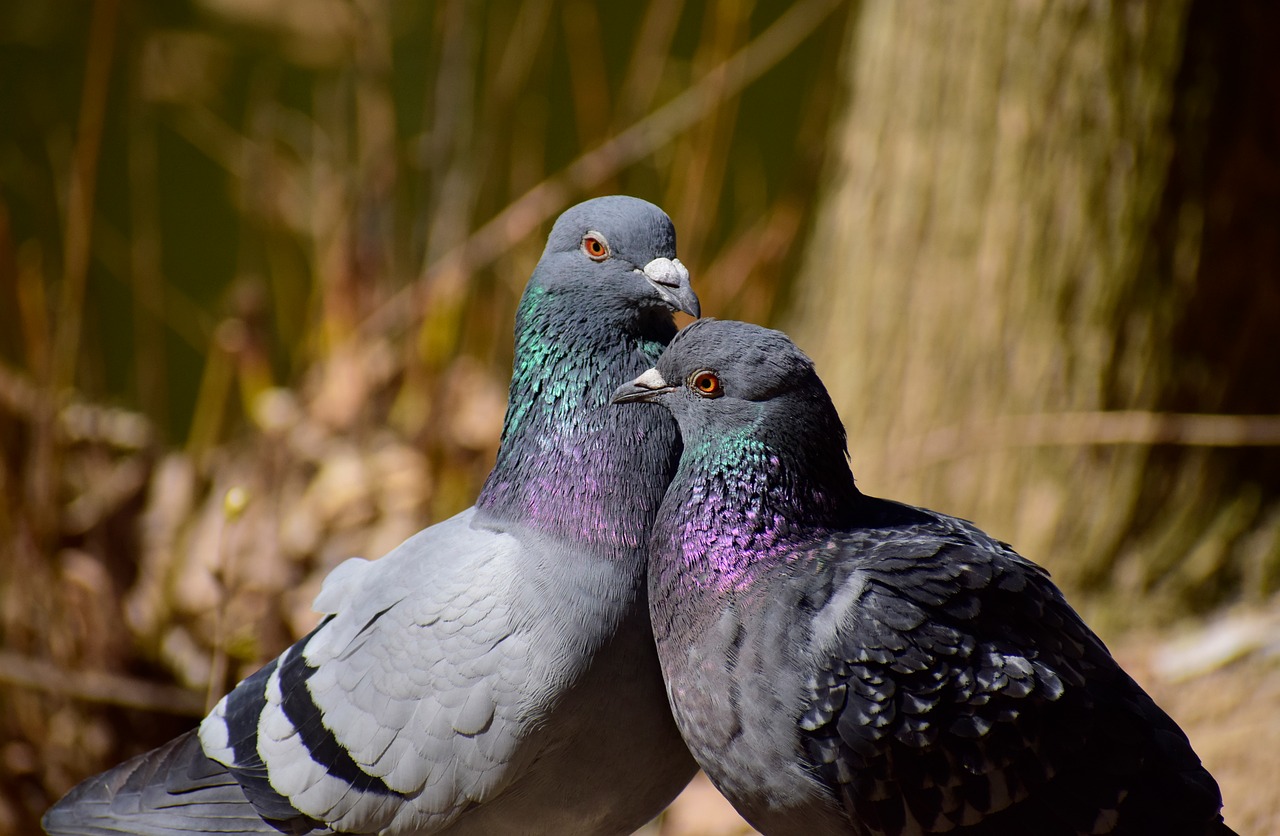
New urban birdwatchers often make the same mistake: they go to the biggest, greenest park they can find and then wonder why they see so little. The truth is that birds do not care about our ideas of scenery. They care about food, water, shelter, and safety, and these things appear in the city in small, specific patches that have nothing to do with how a place looks on a map.
Learning to read those patches is the core skill of urban birdwatching. Once you can do it, you will start finding birds in car parks, behind supermarkets, along railway embankments, and in the scrappy margins that nobody else bothers with.
The Four Things Every Bird Needs
Water is the strongest draw, especially in summer and during migration. Look for anything that holds water: a canal, a pond, a leaking pipe, a fountain, a drainage ditch, even a puddle that lasts a few days. A single reliable water source in a dry part of the city can pull in dozens of species.
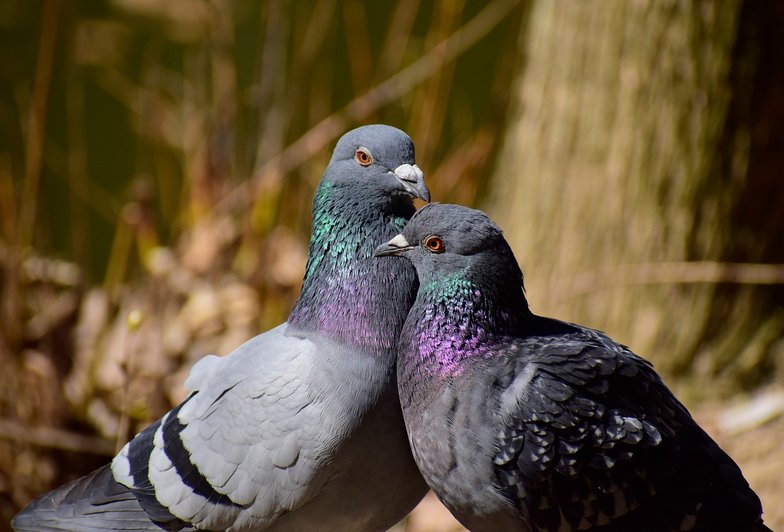
Food comes next, and it is more varied than most people realise. Berries, seeds, insects, and rubbish all count. A row of ornamental berry bushes outside an office block will feed blackbirds and waxwings in winter. A patch of unkempt grass full of insects will feed wagtails and starlings. A bin store behind a fast-food restaurant will feed gulls, crows, and pigeons, and where those gather, peregrines sometimes follow.
Shelter means dense vegetation or structures that offer cover. Ivy on a wall, a thick hedge, a stand of bamboo, a gap under a bridge: all of these are refuges. Safety is the fourth need, and it is mostly about distance from people and predators. An island in the middle of a pond, a fenced-off building site, a tree canopy above head height, or a ledge on a tall building all provide the buffer that birds require.
Edges, Corridors, and Overlooked Corners
Where two habitats meet, you tend to find the most activity. The edge between a canal and a footpath, a railway line and a housing estate, or a park and a car park is often richer than either habitat alone. Birds use these edges as travel routes and feeding grounds.
Linear features matter enormously. Canals, rivers, railway embankments, and tree-lined avenues act as corridors that birds follow through the city. If you find one, walk it slowly and repeat the walk in different seasons. The same stretch of canal can hold completely different species in January and June.
Finally, do not dismiss the ugly places. Building sites with bare earth attract pied wagtails and larks. Industrial estates with flat roofs attract gulls and nesting oystercatchers. Cemetery yew trees hold roosting owls. Retail parks with ornamental planting pull in finches and thrushes. The less a place looks like a nature reserve, the less competition you will have from other birdwatchers, and often the more interesting the birds.
Keep a simple notebook or a notes app on your phone. Note the date, the weather, the species, and what the bird was doing. Over a year, those notes will teach you more about your local patch than any guidebook could.






Cities hide more habitat than they appear to, and learning to spot it is the real skill of urban birdwatching.
A good photograph is not worth a stressed bird, and urban wildlife photography needs clear rules of its own.
Turn a few square feet of balcony or fire escape into a productive perch for photographing the birds that already live on your block.
Corvids recognize individual humans, and understanding that changes how you approach, frame, and return to the same birds.
Wet streets, soft light, and active birds make rainy urban days some of the most productive shooting conditions you'll get.