

Pigeons Are Not Boring: A Case for Photographing the City's Most Ignored Bird
Every urban bird photographer has heard it: "Why are you photographing pigeons?" It is usually said with a small laugh, as if the feral pigeon were the photographic equivalent of a parking cone. I understand the instinct. Pigeons are everywhere. They are unafraid. They will eat anything. But that abundance is precisely what makes them worth a second look.
The rock dove, from which feral pigeons descend, is a cliff-dwelling species. It did not adapt to cities so much as recognise them. Our buildings are cliffs, our ledges are nesting sites, and our streets are the rocky shorelines where its ancestors fed on seeds and scraps. Watching a pigeon is watching a wild bird that happens to tolerate us, and once you see that, the bird stops being furniture.
A Surprisingly Varied Subject
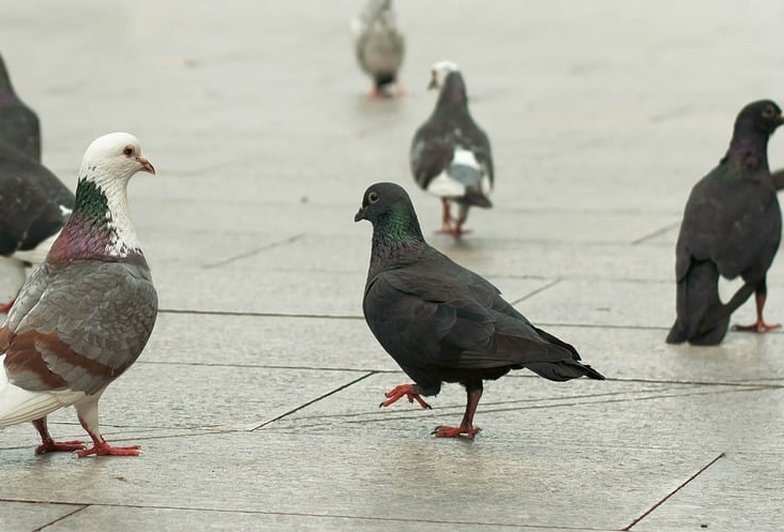
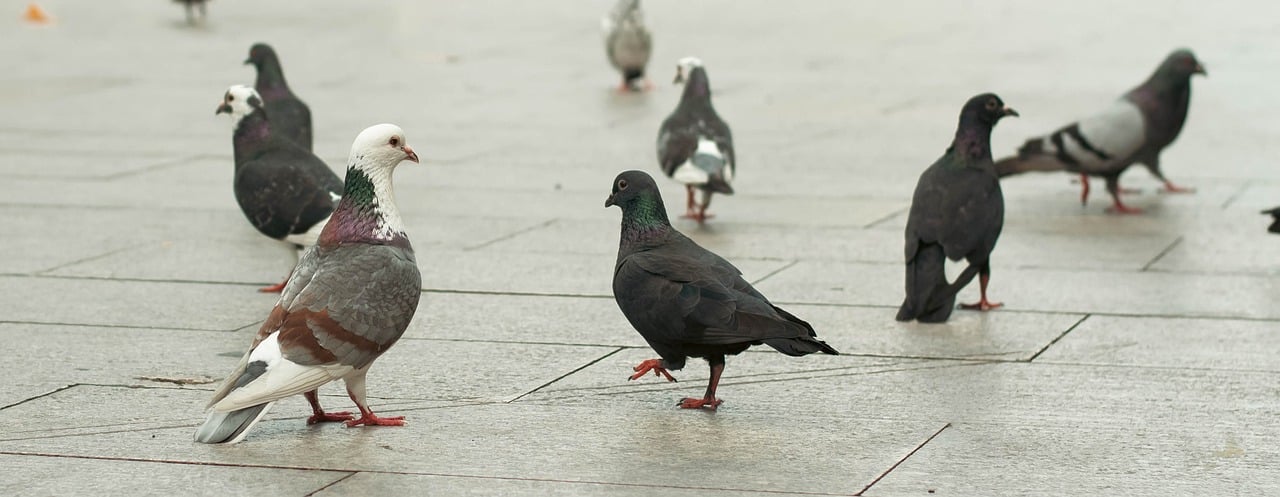
Feral pigeons come in an extraordinary range of plumages. The classic blue-bar is only one form. You will find checkers with mottled wings, reds with rusty brown bodies, pied birds with white patches, and near-black individuals with iridescent necks. In a single flock outside a train station, you might see a dozen distinct patterns.
This variety is a gift for photographers. It means you can practise composition, exposure, and timing on a subject that will let you get close and will hold still. The iridescence on a pigeon's neck is one of the best tests of your lens and your light. Catch it at the right angle on a sunny morning and the feathers shift from green to purple to magenta in a single frame.
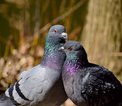
Behaviour is where pigeons really reward patience. Watch a male display: he puffs his crop, bows, spreads his tail, and circles the female with a stiff, strutting walk. Watch a pair courtship-feed, one bird begging like a chick while the other regurgitates. Watch a flock burst into flight at once, wheel over a square, and settle again, all without an obvious signal. These are complex, readable behaviours, and they happen in front of you every day.
How to Photograph Them Well
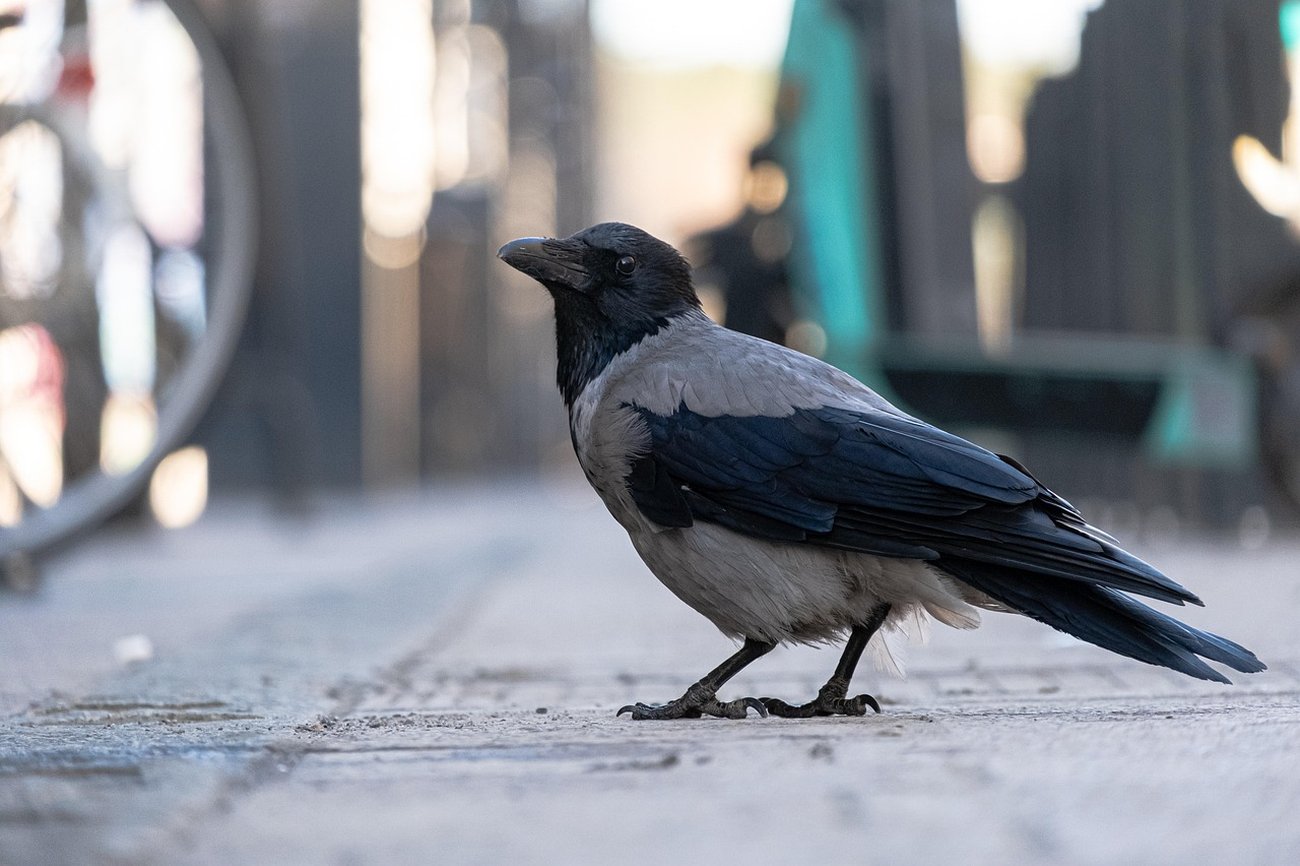
Get low. The single biggest improvement you can make to pigeon photography is to stop shooting down at them. Kneel, sit on a step, or lie on the pavement if you are willing. At eye level, a pigeon becomes a portrait subject rather than a nuisance.
Use the city as a backdrop deliberately. A pigeon against a brick wall, a painted shutter, or a wet street after rain tells a story about where it lives. Look for repeating patterns, strong diagonals, and reflections. A bird standing in a shallow puddle, mirrored beneath itself, is a better photograph than any number of clean sky shots.
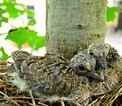
Finally, be patient with the flock. Spend twenty minutes with the same group and you will start to notice individuals: the one with the injured foot, the aggressive male, the juvenile still begging. That familiarity is what turns a snapshot into a photograph.




The feral pigeon is everywhere, which is exactly why almost nobody looks at it properly.
You do not need a balcony or a garden to photograph city birds, just a window, some patience, and a few tricks.
Cities hide more habitat than they appear to, and learning to spot it is the real skill of urban birdwatching.
A good photograph is not worth a stressed bird, and urban wildlife photography needs clear rules of its own.
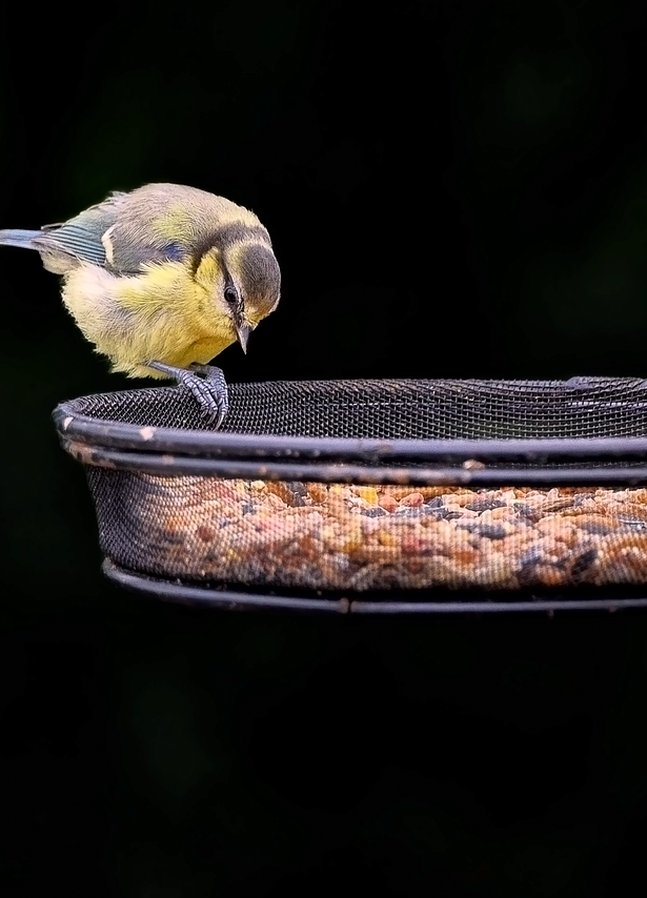
Turn a few square feet of balcony or fire escape into a productive perch for photographing the birds that already live on your block.