
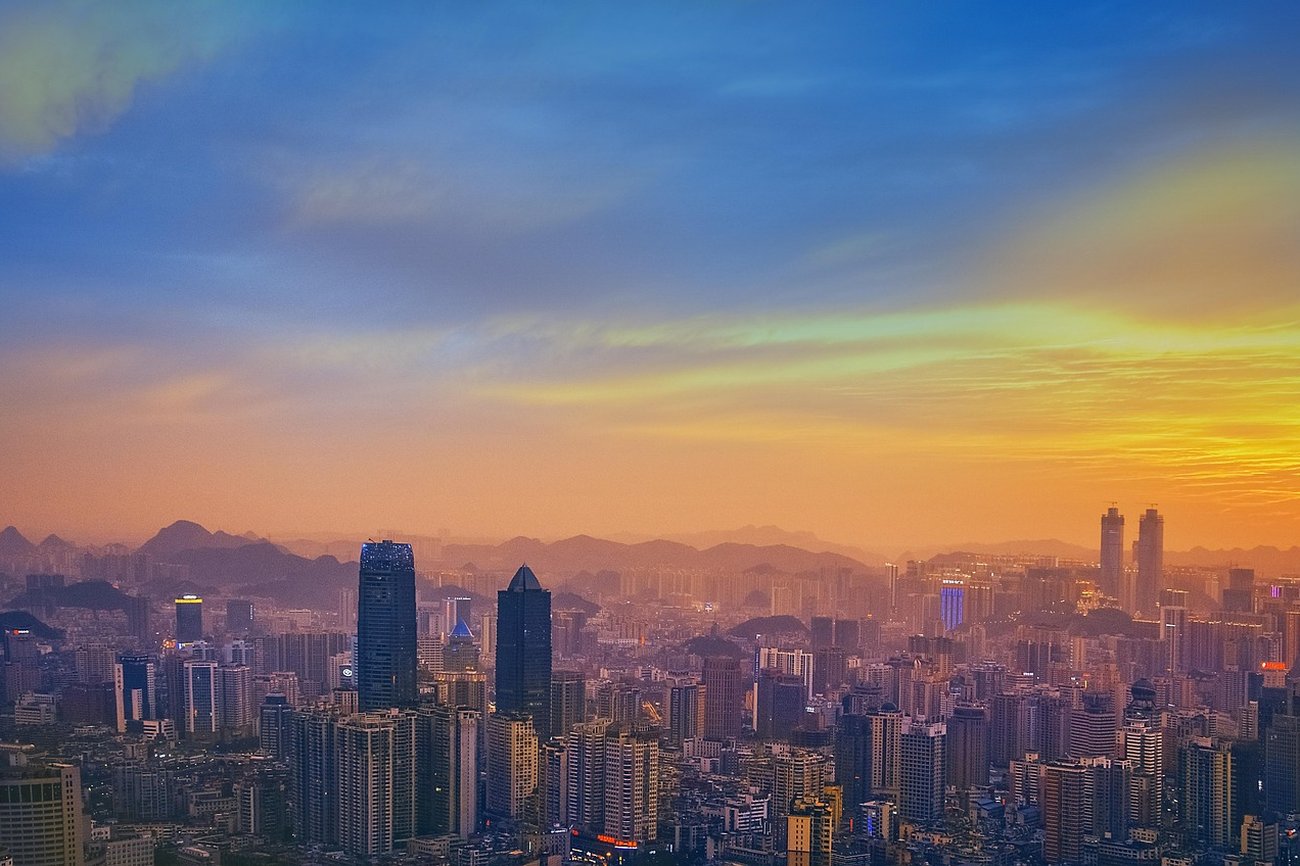

Small Space, Big Results: Setting Up a Balcony Birding Station
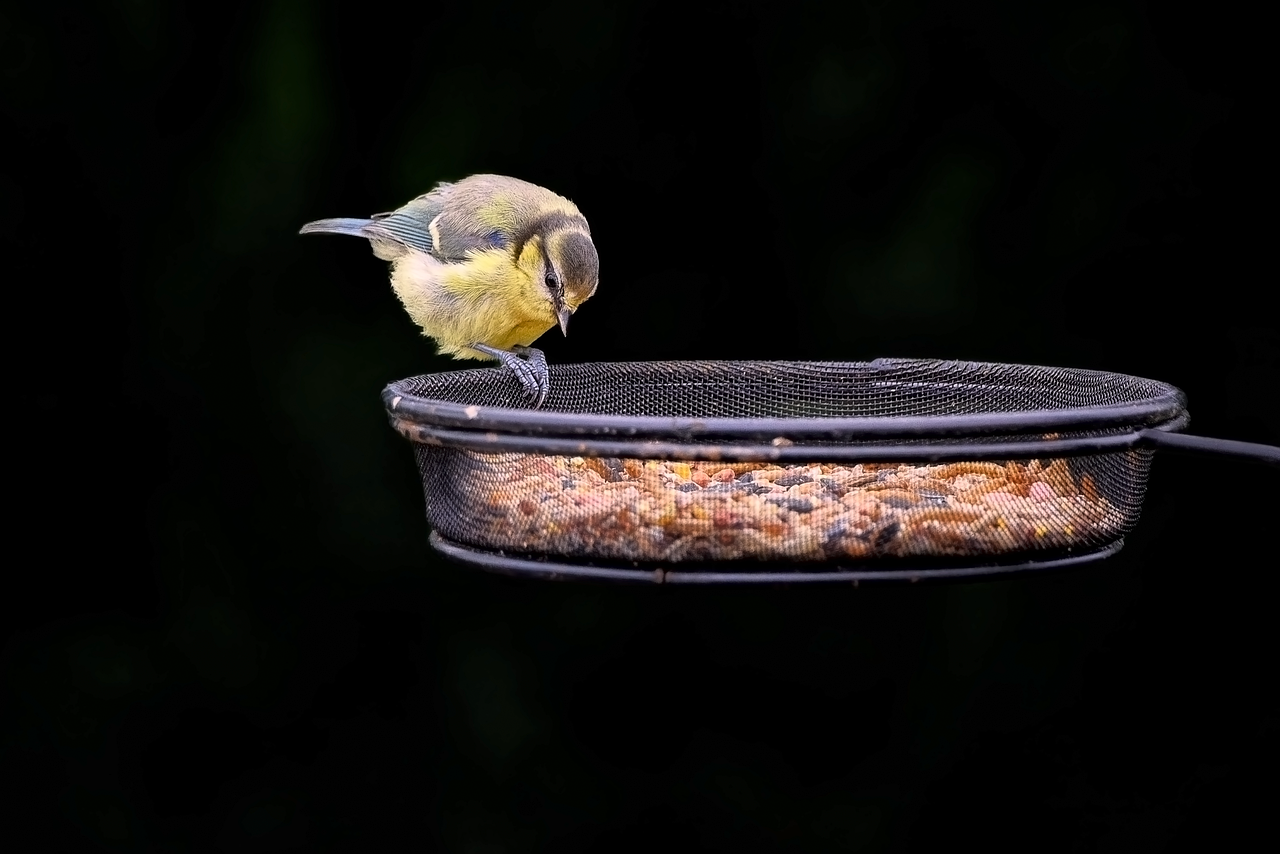
When people imagine birdwatching, they usually picture a quiet woodland trail or a wetland at sunrise. But some of the most rewarding sessions I've had happened within arm's reach of my kitchen window, on a balcony barely big enough for two chairs. City birds are already adapted to us. They nest in vents, forage on sidewalks, and perch on scaffolding. Give them one reliable, safe spot and they will treat it as part of their daily circuit.
The first thing to understand is that a balcony station isn't really about attracting birds from far away. It's about making your space legible to the birds already nearby. That means consistency, cleanliness, and a little patience. It also means accepting that your first visitors will likely be the boldest species on your block, and that's fine. Those bold birds are your teachers.
Choosing Feeders and Placement That Work in Tight Quarters
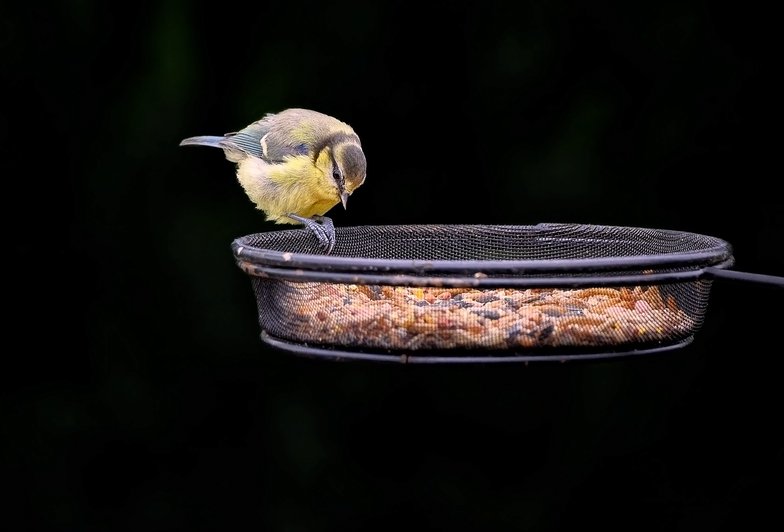
On a balcony, space is the constraint, so favor one or two feeders over a crowded collection. A small hanging feeder and a suet cage cover most of the common urban visitors without turning your railing into an obstacle course. If your building allows it, a suction-cup window feeder is worth trying because it puts birds at eye level and removes the railing from your composition entirely. Just be honest about weight limits and clean the glass before mounting anything.
Placement matters more than gear. Feeders near a wall or corner give birds a sense of cover, while feeders hanging in the open tend to get visited in quick, nervous dashes. If you have a choice, put the feeder where you can shoot from inside without pressing the lens against the glass. Even a few inches of distance cuts down on reflections and haze.
Seed choice is where a lot of beginners overspend. A simple mix of black oil sunflower and a bit of millet keeps most small urban birds interested. Suet brings in species that prefer fat and insects, especially in cooler months. Avoid dyed seed mixes and cheap filler grains, which mostly end up on the floor below you, annoying your neighbors and attracting rodents.
Photography and Etiquette on a Shared Building
The light on a balcony is often harsh and directional, which is actually useful once you learn it. Morning light from the east and late afternoon light from the west give you the softest, most flattering angles. If your balcony faces north, you'll get flat but consistent light all day, which is fine for documenting behavior even if it's less dramatic.
Set your camera to a fast enough shutter speed to freeze small, twitchy birds, and don't be afraid of a slightly higher ISO. A clean, noisy shot of a bird doing something interesting beats a blurry, low-noise shot of nothing. Pre-focus on the perch, not the bird, and wait. Urban birds repeat their routes constantly, so the same individual will often return to the same spot within minutes.
Etiquette matters here because you share walls, ceilings, and air with other people. Keep feeders secured so they don't rattle in wind, clean them regularly to prevent disease, and never let seed or droppings fall onto a neighbor's balcony. If your building has rules about feeders, follow them. A single complaint can end a good setup, and a considerate one can last for years.
The real payoff of a balcony station isn't a rare species. It's the slow accumulation of small observations: which bird arrives first after rain, who chases whom off the suet, how a juvenile learns to crack a sunflower seed. That kind of familiarity is hard to get in a park, and it's the foundation of good urban wildlife photography.


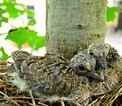
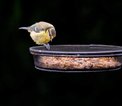

Turn a few square feet of balcony or fire escape into a productive perch for photographing the birds that already live on your block.
Corvids recognize individual humans, and understanding that changes how you approach, frame, and return to the same birds.
Wet streets, soft light, and active birds make rainy urban days some of the most productive shooting conditions you'll get.
Parking lots, loading zones, and median strips host more bird life than most people ever notice.
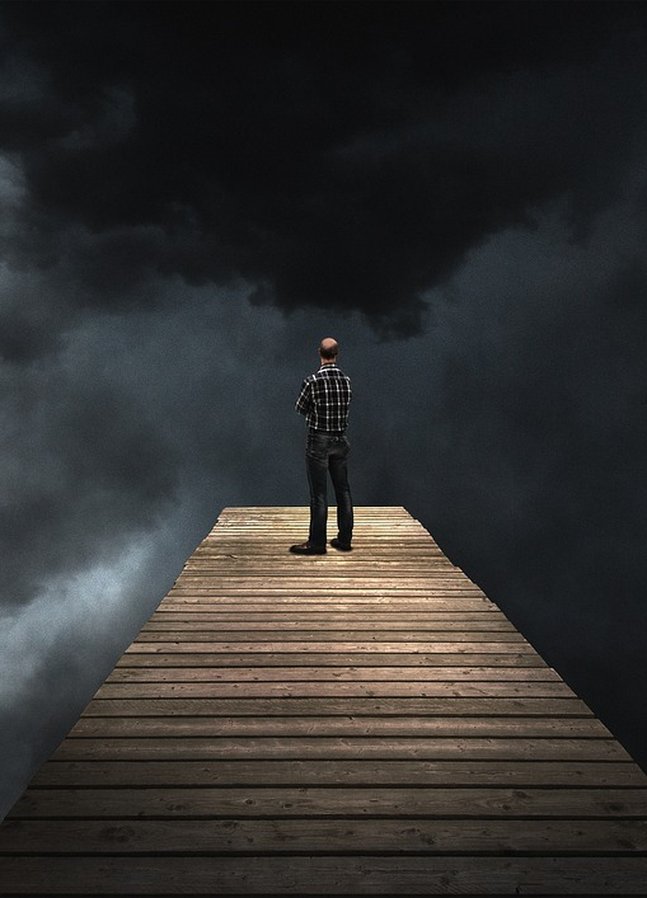
A simple, repeatable editing workflow that turns ordinary city bird shots into a coherent body of work.