
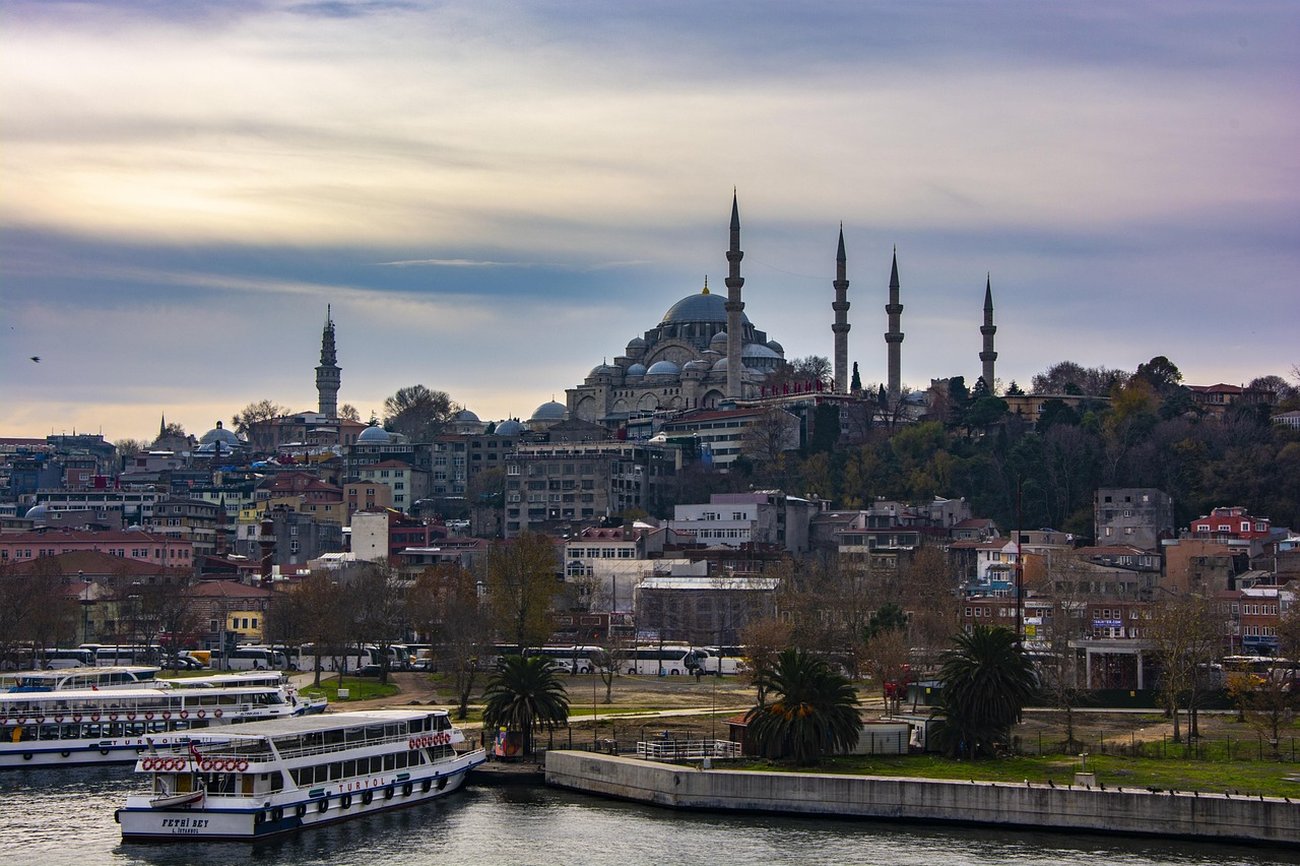

Rainy Days in the City: Why Bad Weather Makes Better Bird Photos
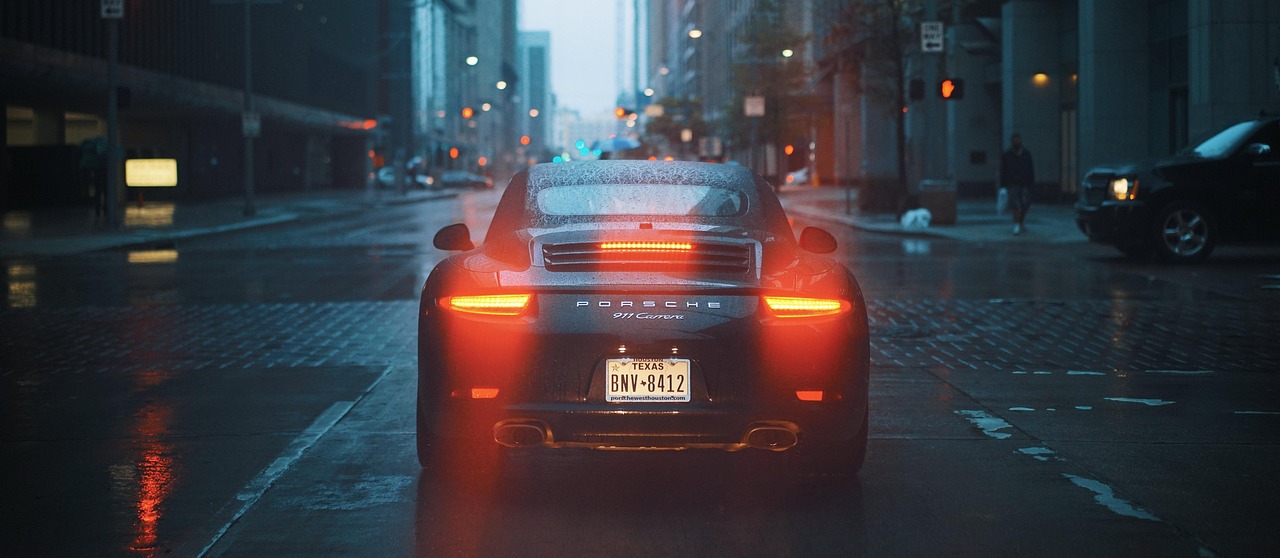
Most photographers pack up when the sky turns gray. That's a mistake, especially in a city. Rain changes everything about how a bird looks, how the light behaves, and how the streets reflect the world around your subject. Some of my favorite urban bird photographs were taken in weather that most people would call miserable.
The first reason is simple: rain softens light. Direct sun creates harsh shadows and blown highlights, especially on dark plumage. Overcast skies act like a giant diffuser, wrapping light evenly around a bird and revealing detail in feathers that would otherwise be lost. For small urban species with subtle coloring, this is a gift.
What Wet Weather Does to Birds and Streets
Birds behave differently in rain. Some hunker down and wait it out, which gives you long, still poses instead of constant motion. Others become more active, taking advantage of worms pushed to the surface and insects knocked from leaves. Either way, you get behavior you won't see on a dry afternoon.
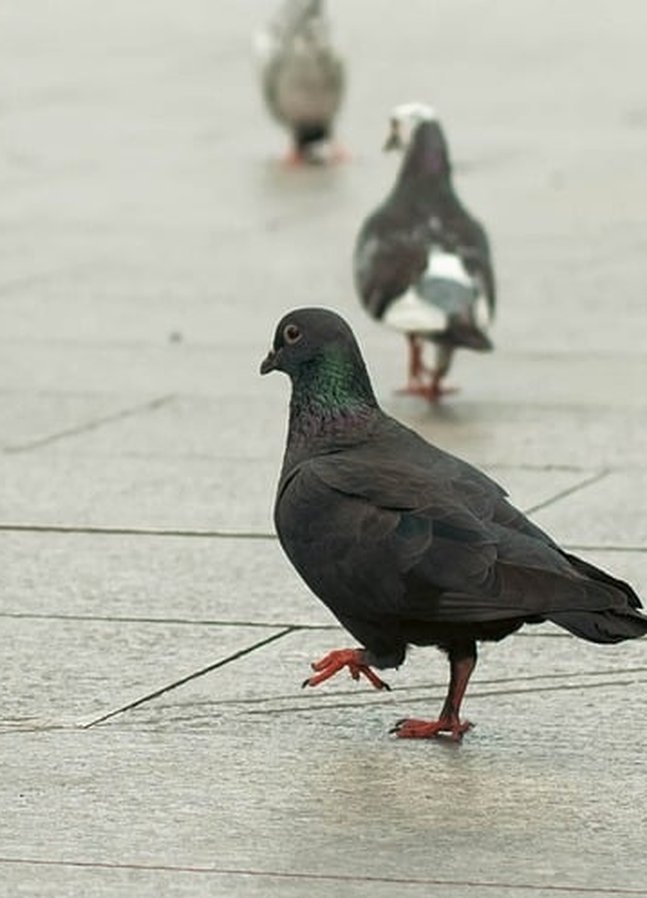
Wet plumage is also visually interesting. Feathers clump and separate, showing structure that's invisible when a bird is dry. Water beads on a duck's back or a pigeon's shoulder, catching light and adding texture. A bird shaking off rain is a moment worth waiting for, and it happens often enough that you can plan for it.
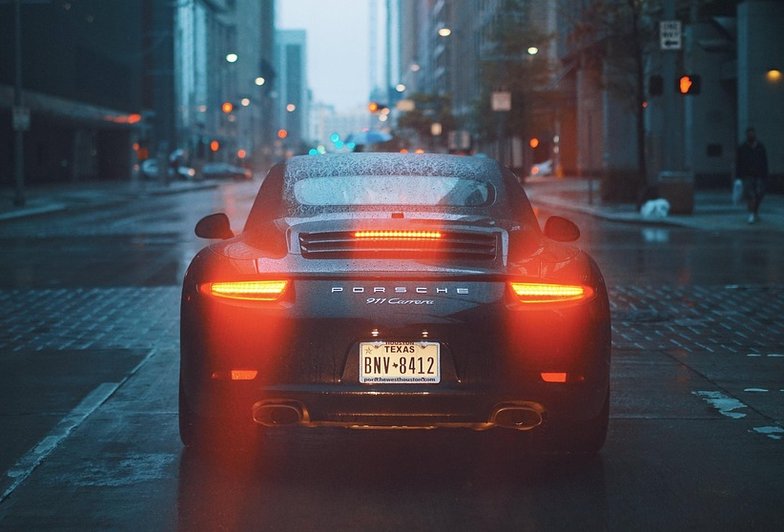
The city itself becomes a better backdrop. Wet asphalt turns into a mirror. Puddles hold reflections of buildings and sky. Streetlights and shop windows glow more warmly against the gray. Suddenly the ordinary sidewalk is a studio, and the birds standing on it look like they belong in a painting.
Gear, Settings, and Staying Dry Enough to Keep Shooting
You don't need exotic equipment for rain, but you do need to protect what you have. A simple rain cover or even a plastic bag with a hole for the lens works. Keep a microfiber cloth handy for the front element, and check it often, because a single smear will ruin a whole sequence.
Exposure is the tricky part. Overcast light is even but dim, so you'll likely push ISO higher than usual. Embrace it. A sharp, slightly noisy image is better than a blurry one. Watch your histogram rather than the back of the screen, since the LCD can look brighter than the actual file. If you're shooting birds against a bright wet sky, meter for the bird and let the sky go where it goes.
Shutter speed depends on the subject. A perched bird can handle 1/250 or slower if you're steady. Anything moving, especially small songbirds flicking through branches, needs 1/500 or faster. Rain itself can be rendered as streaks with a slow shutter or frozen as specks with a fast one, so experiment.
Your own comfort matters more than most people admit. Cold, wet hands make bad decisions. Waterproof gloves, a hood, and a dry bag for spare batteries will keep you out longer than the person who gave up after ten minutes. If you can find shelter under an awning or a bridge, use it. Some of the best rain-day shots come from a dry position watching a wet world.
Finally, don't chase drama. Rain photography rewards stillness. Find a puddle, a low branch, a bit of railing, and wait. The birds will come, the light will hold, and the city will do the rest.
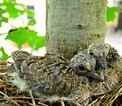
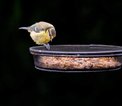
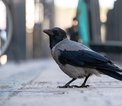
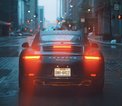
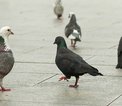
Wet streets, soft light, and active birds make rainy urban days some of the most productive shooting conditions you'll get.
Parking lots, loading zones, and median strips host more bird life than most people ever notice.
A simple, repeatable editing workflow that turns ordinary city bird shots into a coherent body of work.
The city belongs to the birds before it belongs to us, and that hour before rush hour is when the best shots happen.
The feral pigeon is everywhere, which is exactly why almost nobody looks at it properly.