


The Birds of the Parking Lot: Overlooked Habitat in Plain Sight
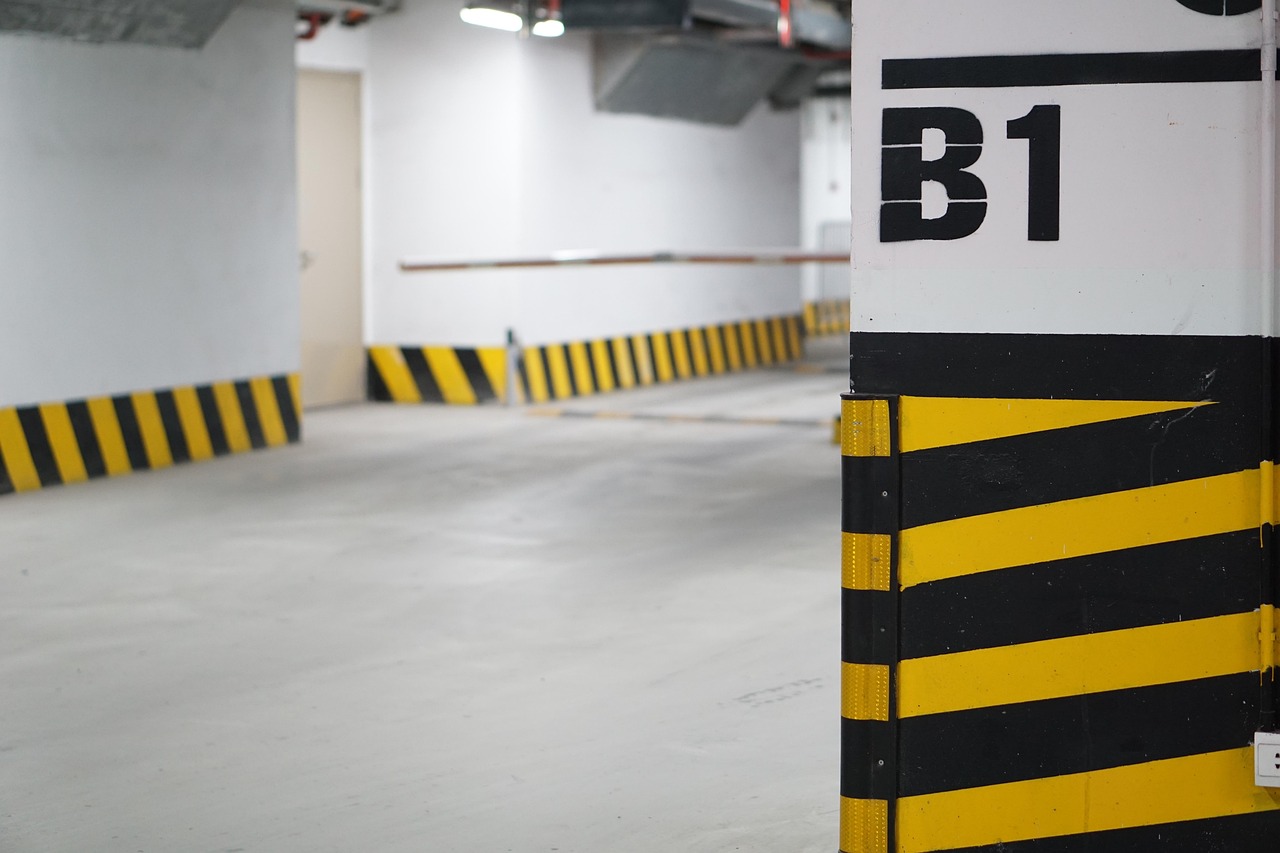
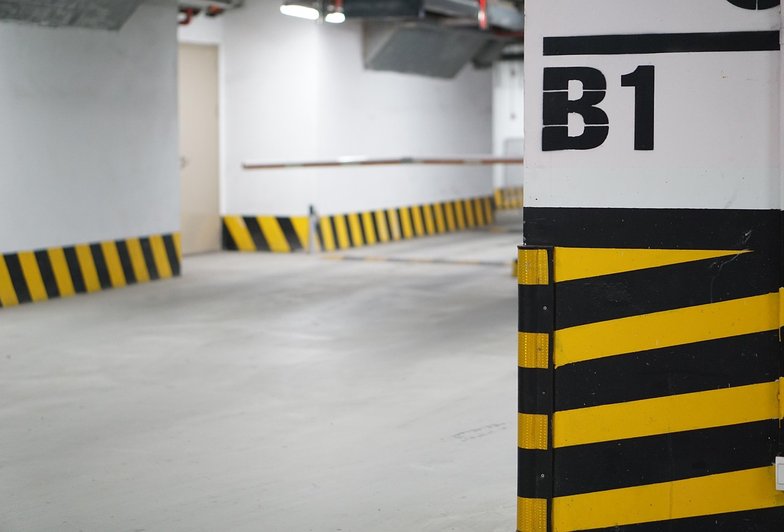
There's a particular kind of birder who turns their nose up at a parking lot. I understand the impulse. A lot is hot, loud, and full of exhaust. But if you actually stop and look, a parking lot is a habitat. It's not a pretty one, but it's functional, and a surprising number of species use it every day.
Think about what a parking lot offers. Wide open sightlines for spotting predators. Scattered food from dropped snacks and insects around lights. Warm asphalt on cool mornings. Puddles after rain. Islands of landscaping that function as tiny refuges. For a bird willing to tolerate people, that's a decent living.
What You'll Actually Find and Where to Look
The obvious residents are the ones most people ignore: pigeons, house sparrows, starlings, and gulls. But look closer. Killdeer nest on gravel rooftops and sometimes on flat lot edges. Grackles patrol the rows. Robins and mockingbirds work the landscaped islands. In fall and winter, you might find yellow-rumped warblers in the ornamental shrubs that line the perimeter.
Light poles are worth checking. Raptors use them as hunting perches, especially in lots near open fields or water. I've watched red-tailed hawks drop onto rodents in the strip between a big-box store and its parking area. At dusk, nighthawks and bats work the air above the lights, and if you're patient, you can catch them in flight against a fading sky.
The landscaping islands are the richest micro-habitat. A single crepe myrtle or holly bush can hold a surprising amount of activity, especially during migration, when tired birds drop into whatever cover they can find. Approach slowly and scan from the outside before moving in. These islands are small, and birds inside them have limited escape routes.
Don't overlook the edges. The boundary between lot and sidewalk, or lot and drainage ditch, often has the most diversity. Weedy strips attract seed-eaters. Damp corners attract insect-eaters. A chain-link fence gives perching birds a place to watch the ground below.
Photography and Ethics in Unromantic Places
Photographing in a parking lot requires a different mindset than shooting in a park. The background is often ugly, so you have to work for clean compositions. Get low to eliminate cars from the frame. Use a long lens to compress distance and blur the asphalt. Shoot from the shade of a building to isolate a bird against a plain wall.
Reflections are your friend. A wet lot after rain turns into a mirror, and a bird walking across it can be framed with its double beneath it. Painted lines and curbs create graphic elements that give an image structure. Treat the lot like a studio with bad furniture and find the angles that hide it.
Ethics matter here too, maybe more than in a park. Parking lots are working spaces. Don't block traffic, don't stand in the middle of a lane for a shot, and don't approach birds that are feeding near moving vehicles. If a security guard asks you to move, move. You can always come back.
The reward for this kind of looking is a different relationship with the city. Once you've learned to see birds in a parking lot, you'll see them everywhere: on rooftops, in alleyways, along highway medians. The urban landscape stops being a wasteland and becomes a patchwork of small, functioning habitats. That shift in perception is worth more than any single photograph.





Parking lots, loading zones, and median strips host more bird life than most people ever notice.
A simple, repeatable editing workflow that turns ordinary city bird shots into a coherent body of work.
The city belongs to the birds before it belongs to us, and that hour before rush hour is when the best shots happen.
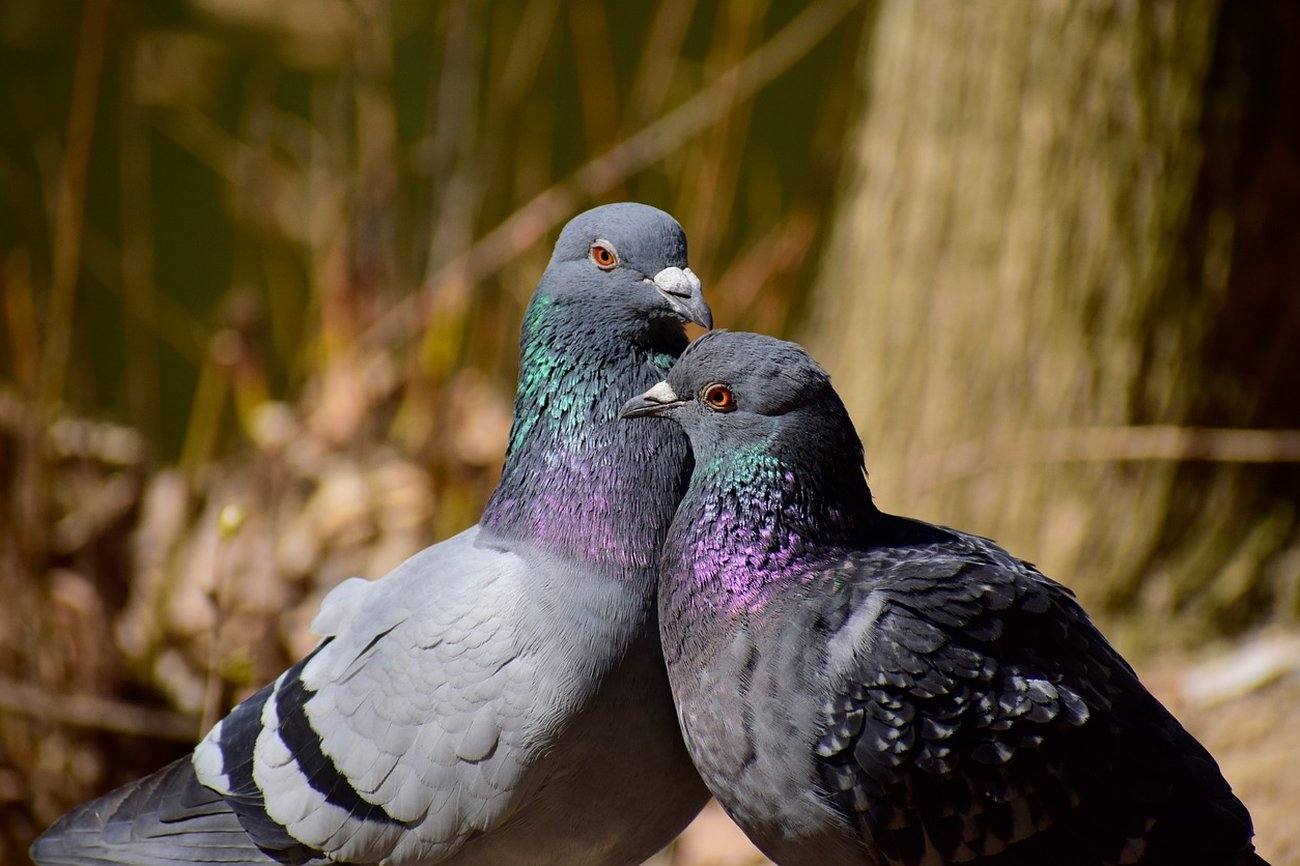
The feral pigeon is everywhere, which is exactly why almost nobody looks at it properly.
You do not need a balcony or a garden to photograph city birds, just a window, some patience, and a few tricks.