

From Snapshot to Story: Editing Your Urban Bird Photos With Intention
Most urban bird photographs fail not because the moment was bad, but because the edit was careless. A shot with a distracting background, flat contrast, or a confusing crop gets buried in a folder and forgotten. A few deliberate choices in editing can pull it back and make it say something.
The goal isn't to fake a scene. It's to remove what doesn't belong and emphasize what does. That's true whether you're editing on a phone or a desktop. The principles are the same, and they matter more than whatever software you happen to use.
Starting With Selection and Crop
Before you touch a slider, decide what the photograph is about. Is it the bird's posture? Its interaction with another bird? The way it sits against the city behind it? Once you know the subject, the crop becomes obvious. Cut anything that doesn't support it.
Urban backgrounds are busy, so cropping tightly is often the right move. But don't crop so tight that the bird feels trapped. Leave some space in the direction the bird is looking or moving. That space gives the image room to breathe and gives the viewer a sense of where the bird is headed.
Watch your edges. A half-car at the frame's border, a pole growing out of a bird's head, or a bright patch of sky in a corner will pull the eye away from your subject. Sometimes a small rotation or a slightly different crop fixes it. Sometimes the shot isn't salvageable, and that's fine. Knowing when to let go is part of editing.
Straightening is underrated. A tilted horizon in a city scene, where buildings and curbs give strong vertical and horizontal cues, is immediately distracting. Fix the level first, then crop.
Light, Color, and Knowing When to Stop
Exposure comes next. Lift shadows if the bird is dark against a bright sky, but don't push so far that noise becomes ugly. Pull highlights if the sky is blown, but accept that some blown sky is normal in backlit urban shots. The goal is a believable range, not a perfect histogram.
Contrast is where urban images often need help. City scenes are full of midtones, and a gentle contrast boost can separate a bird from a gray wall or a wet street. Be careful with clarity and texture sliders. A little goes a long way, especially on feathers, which can start to look crunchy if you overdo it.
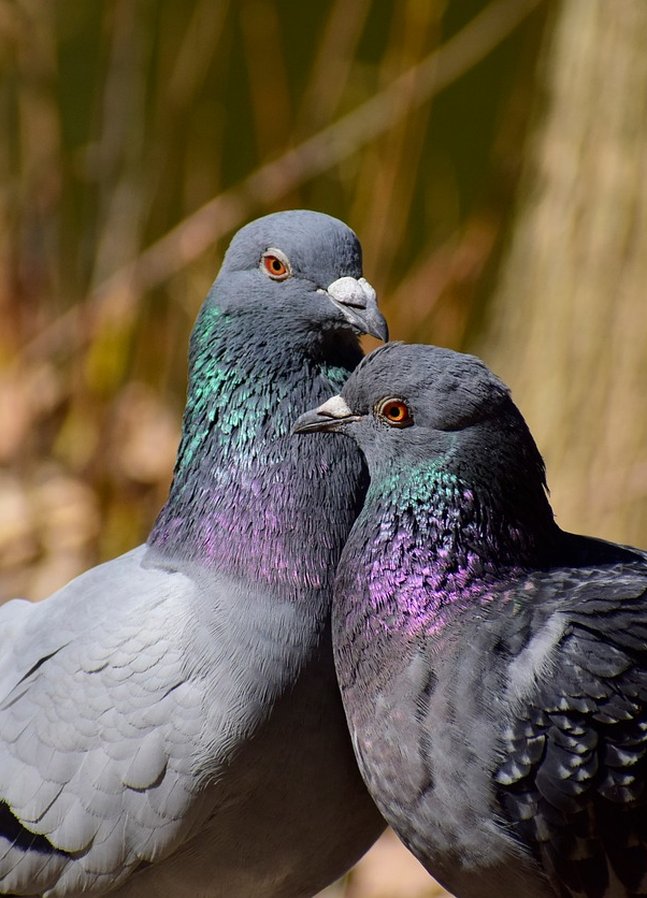
Color is personal, but a few habits help. Cool the shadows slightly to suggest the blue-gray of a city morning. Warm the highlights if the light was golden. Desaturate distracting elements like bright signage or painted curbs rather than desaturating the whole image. If a bird has a specific color, like the iridescence on a starling or the yellow of a warbler, protect it. Don't let a global saturation boost turn it garish.
Noise reduction and sharpening should be the last steps, and both should be restrained. Sharpen the bird, not the background. Mask your noise reduction so it doesn't smear feather detail. If you're editing on a phone, most apps have these controls now, and the same logic applies.
Finally, step away before you export. Look at the image the next day. You'll often find you over-edited, and pulling back will make it stronger. The best urban bird photographs look like they were taken, not made. Editing should serve that illusion, not fight it.
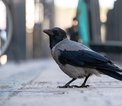
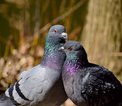
A simple, repeatable editing workflow that turns ordinary city bird shots into a coherent body of work.
The city belongs to the birds before it belongs to us, and that hour before rush hour is when the best shots happen.
The feral pigeon is everywhere, which is exactly why almost nobody looks at it properly.
You do not need a balcony or a garden to photograph city birds, just a window, some patience, and a few tricks.
Cities hide more habitat than they appear to, and learning to spot it is the real skill of urban birdwatching.