

Shooting Through Glass: Window Photography from Apartments and Offices

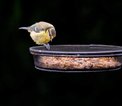
Some of the best urban bird photography happens indoors. If you live in an apartment, work on an upper floor, or simply cannot get out as often as you would like, a window is a perfectly good hide. Birds quickly learn that a pane of glass is not a threat, and a regular feeder or a flowering balcony plant can bring them within a metre of your lens.
The catch, of course, is the glass itself. It reflects, it softens, and it adds a faint green or grey cast to everything behind it. But every one of these problems has a workaround, and once you have them sorted, window photography becomes one of the most comfortable ways to build a portfolio.
Beating the Reflections
The single most effective trick is to shoot from a dark room. Reflections are strongest when the interior is brighter than the exterior. Turn off the lights, close the curtains behind you, and wear dark clothing. If you can, drape a dark cloth or a piece of black card around the lens hood and press it against the glass. This creates a seal and removes almost all reflection.
If you cannot get your lens close to the glass, a rubber lens hood pressed flat against the pane works well. Failing that, a polarising filter can cut some glare, though it will cost you about a stop and a half of light.
Clean the window thoroughly, inside and out if you can reach. Smudges and dust that are invisible to the eye become soft blobs in a photograph, especially when the sun is low and raking across the glass.
Working with the Light You Have
Windows create their own lighting conditions, and they change through the day. A south-facing window will flood with sun in the middle of the day, which sounds ideal but often produces harsh contrast. A north-facing window gives soft, even light all day, which is wonderful for portraits but can leave you short of shutter speed.
Pay attention to when birds use your window. In many cities, there is a morning rush and a late afternoon rush, with a quiet middle of the day. Once you know the rhythm, you can set up in advance rather than waiting with the camera raised.
Autofocus can struggle through glass, particularly if there is any dirt or water on the surface. Switch to manual focus or use a small single AF point aimed at the bird's eye. If your camera has an electronic viewfinder with focus peaking, use it. It will show you exactly where the plane of focus sits.
One more thing: be careful not to create a hazard. If you put feeders on a balcony or window ledge, position them close to the glass, not across an open flight path, and consider window decals or a fine net to prevent collisions. A window that brings birds close is a joy; a window that they fly into is a tragedy. A few simple precautions keep it the former.





You do not need a balcony or a garden to photograph city birds, just a window, some patience, and a few tricks.
Cities hide more habitat than they appear to, and learning to spot it is the real skill of urban birdwatching.
A good photograph is not worth a stressed bird, and urban wildlife photography needs clear rules of its own.
Turn a few square feet of balcony or fire escape into a productive perch for photographing the birds that already live on your block.
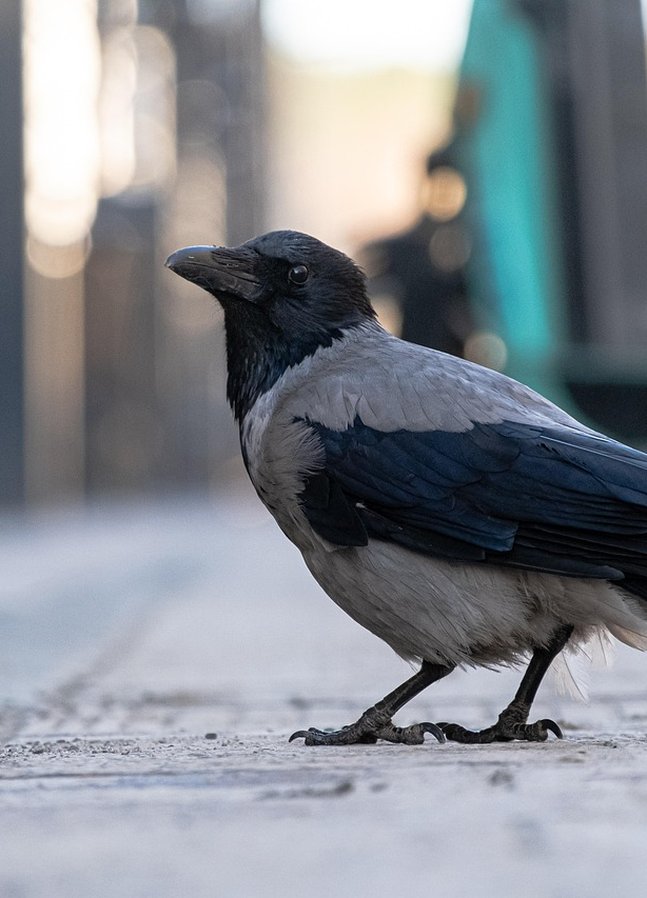
Corvids recognize individual humans, and understanding that changes how you approach, frame, and return to the same birds.