



The 5 AM Advantage: Why Dawn Is a City Photographer's Secret Weapon
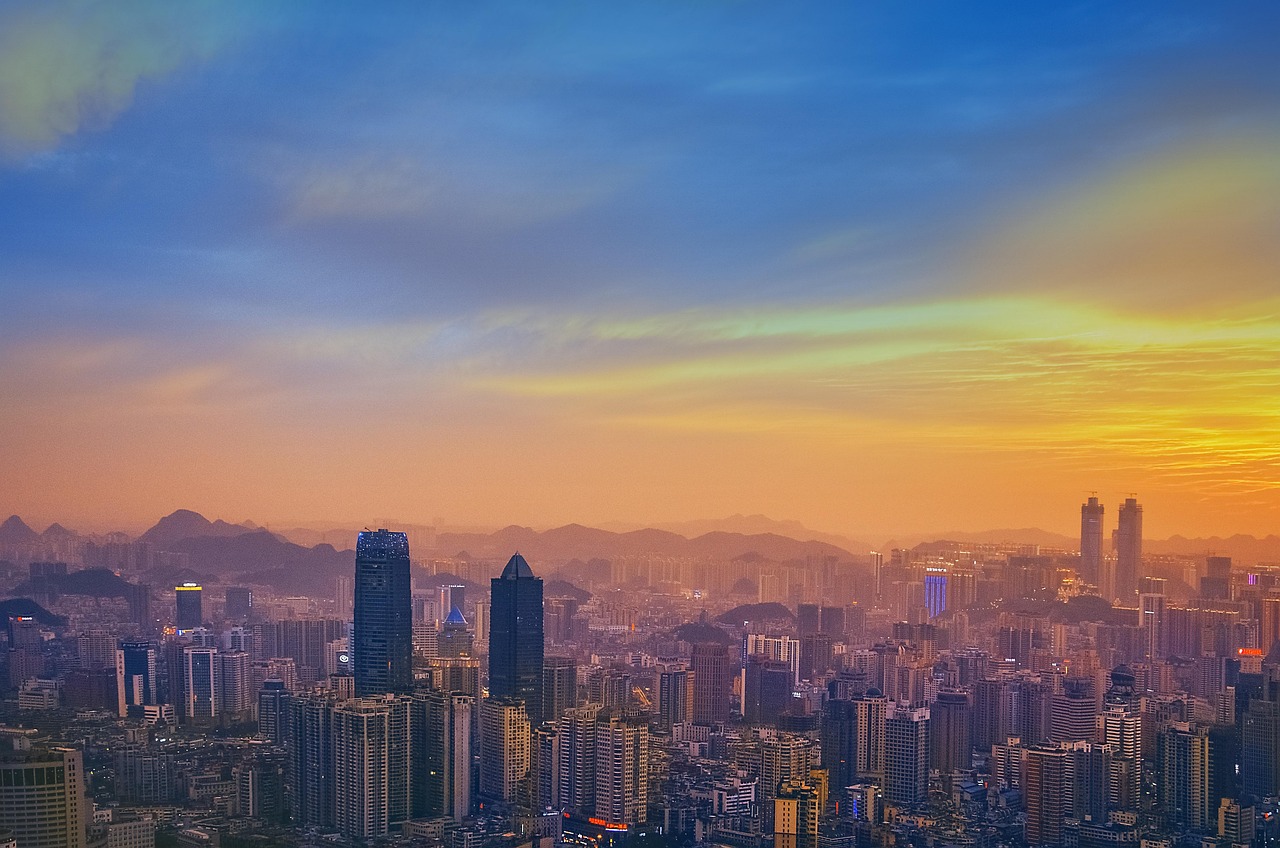
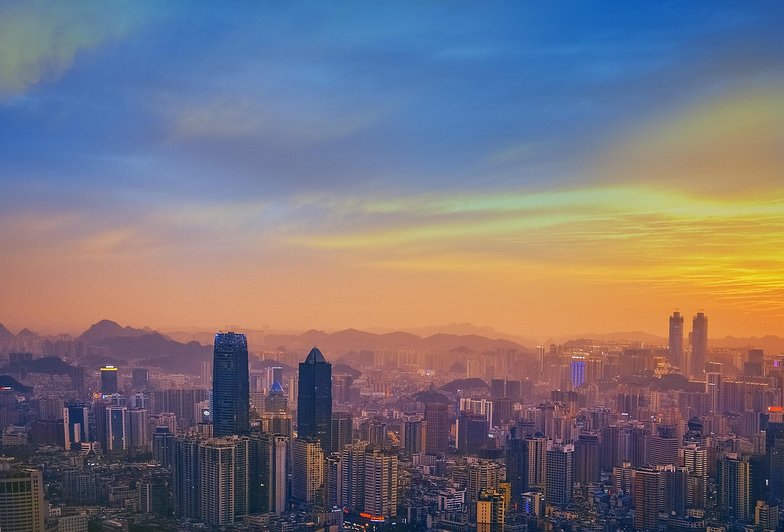
Anyone who has tried to photograph a kingfisher at noon knows the frustration: harsh light, empty branches, and a bird that has already eaten and gone quiet. Dawn changes everything. In the hour around sunrise, cities are briefly transformed. Streets are empty, the light is soft and golden, and birds that spend the rest of the day hiding are out in the open, feeding, singing, and establishing territory.
I learned this the hard way. For months I photographed during lunch breaks and came home with blurry silhouettes. Then a friend dragged me out at 5:30 AM to a canal near the old industrial district, and within twenty minutes we had watched a grey heron stalk and catch a fish in light so gentle it looked painted on. I have been a dawn photographer ever since.
Why the Light Works in Your Favour
Low sun means long, soft shadows and warm tones, but the real advantage is angle. At dawn, light comes in nearly horizontal, which means it can slip under the canopy of street trees and hit birds perched on low branches. At midday, that same bird is either in harsh glare or dappled shade that confuses your camera's meter.
There is also less heat shimmer. Warm air rising off asphalt and rooftops distorts distant subjects, which is why telephoto shots taken at 3 PM often look slightly mushy. In the cool early morning, that distortion is minimal, and fine feather detail holds up even at long distances.
And then there is the simple fact of fewer people. No joggers, no delivery bikes, no one stopping to ask what you are looking at. Birds respond to human disturbance, and an empty park at 6 AM is a different habitat than the same park at 6 PM.
Making Dawn Practical
The hardest part of dawn photography is not technique, it is logistics. Lay out your gear the night before. Charge batteries, format cards, and set your bag by the door. Set two alarms, and put the second one across the room so you have to stand up to silence it.
When you arrive, give your eyes and your camera time to adjust. Start with a slow walk along a known route: a canal path, a cemetery, a university campus, a riverside promenade. These places tend to have both water and mature trees, which attract the widest variety of species.
Shoot in aperture priority with a wide aperture to keep your shutter speed up, and do not be afraid to raise ISO. A sharp photo with visible grain beats a smooth photo of a blurred wing every time. If your camera struggles to focus in low light, switch to single-point autofocus and aim for the eye.
Finally, do not pack up the moment the sun clears the rooftops. The ten minutes just after sunrise often produce the most dramatic light of the day, and many birds become active again as the air warms. Stay an extra half hour, and you will usually be rewarded.
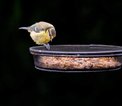
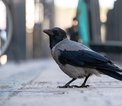





The city belongs to the birds before it belongs to us, and that hour before rush hour is when the best shots happen.
The feral pigeon is everywhere, which is exactly why almost nobody looks at it properly.
You do not need a balcony or a garden to photograph city birds, just a window, some patience, and a few tricks.
Cities hide more habitat than they appear to, and learning to spot it is the real skill of urban birdwatching.
A good photograph is not worth a stressed bird, and urban wildlife photography needs clear rules of its own.